


Zhan Zhuang (站樁)is an interesting type of qigong practice that offers many distinctive benefits for both the casual and the advanced qigong practitioner. However, in my experience of working with people it seems there are some common misconceptions about Zhan Zhuang that can make it seem unapproachable, or can hold people back from gaining the full benefit of this type of practice.
So in this article I will clarify four common misconceptions about Zhan Zhuang Qigong practice, to give you a better understanding of the practice and perhaps to entice you to try it if you haven’t before, or to get more out of your existing practice.
A Description of Zhan Zhuang practice
Before we dive too deep into common misconceptions about Zhan Zhuang practice, it is probably a good idea to give a brief description of the practice for those reading this article who have not heard of it before.
Put simply Zhan Zhuang practices are the ones where practitioners stand in a still posture, sometimes for quite extended periods of time.
This type of practice is excellent for building up energy within our bodies and energy system, and encouraging the smooth flow of energy within us. While some practitioners use Zhan Zhuang as their primary type of qigong practice, it is more commonly done as a supplementary practice alongside other moving qigong practices. We will discuss the possible benefits of Zhan Zhuang practice further in a section on the role of Zhan Zhuang within your qigong practice towards the end of this article.
Misconception 1: Zhan Zhuang practice is completely still
This is probably the most common misconception about Zhan Zhuang practice that I encounter. I think this misconception comes from two main sources – people seeing practitioners standing apparently completely still and not being aware that there is more going on underneath the surface within the practice than it may appear, and also from a misunderstanding of a common translation of the term “Zhan Zhuang”
Zhan Zhuang is often translated literally as meaning “Standing Post”, so when people hear this and they know from observation that the practice is relatively still, they sometimes then assume that the aim of the practice is to be completely still – like a post. However, this is not correct in terms of how the word originated. Historically this type of practice was often done by martial artists while standing on top of posts – sometimes quite high above the ground. The way the posts move and sway even slightly under the weight of the practitioner made the practices significantly more challenging and helped to develop higher levels of skill.
Thinking the purpose of the practice is to be completely still like an inanimate post give an incorrect understanding of the practice, both consciously and unconsciously, which of course then subtly shapes the effects of the practice. Focusing too much on still can lead to building excessive and unhealthy tension in the body, and in fact block the flow of energy, rather than activate and strengthen the flow of energy according to the true purpose of the practice.
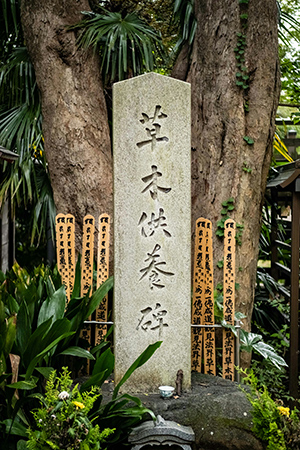
“Standing like a tree” is another common interpretation of the term “Zhan Zhuang”, which while not as literal and direct as “Standing Post”, gives a more accurate understanding of the purpose of the practice. Trees stand quite still… but if we observe them more closely we notice that they do move gently with even the slightest of breezes, and because they are alive we know that even while they are relatively still on the outside, inside they are full of vital movement!
Thinking of our Zhan Zhuang practice more as like standing like a tree guides our mind in the right way to encourage that active flow of healthy energy within us as well. Within our Zhan Zhuang practice there should be a softness within the stillness that allows us to move and sway as well need to in order for our living energy to flow freely – just as it does within a tree, and all living things.
Misconception 2: There is only one type of Zhan Zhuang practice
This is another very common misconception I come across. People with just a little exposure to qigong, or perhaps to martial arts such as Taiji that sometimes use Zhan Zhuang within their training methods, have often only ever done one type of Zhan Zhuang practice and been told “this is Zhan Zhuang”. Because of this they often then assume that one still posture is the only type of Zhan Zhuang, and are then quite surprised when they come across a different still posture being used for Zhan Zhuang practice than the one they have encountered previously.
The main problems arising from this misconception is that people don’t realise the richness that is possible within Zhan Zhuang practice and the many ways that it can be applied to different aspects of our physical and energetic development. This misconception can also feed into a bit of a mystical perception of the nature of the practice – that there is one ‘magic’ posture that you should do that is called Zhan Zhuang, and this can stand in the way of understanding the principles behind the practice properly and how broadly applicable they are.
There are many many different postures that are and can be used as Zhan Zhuang practices – each helping us to strengthen, develop, and balance different aspects of our energy and our physical bodies. It is wise to start by just practicing one or two simple postures until you have a firm grasp of the principles and how you can work with them in your practice, but after going through that stage of learning and development there are many different postures that you may find interesting and useful to use within your Zhan Zhuang practice.
Misconception 3: Zhan Zhuang practice is easy
The simplicity of Zhan Zhuang practice can sometimes lead people to dismiss it too quickly, not realising the profound benefits that can come from dedicated practice – after all it is just standing still! But, those of you who have already done a bit of Zhan Zhuang practice will know that this is far from the truth.
Zhan Zhuang practice, while simple in principle, can often also be one of the most challenging types of qigong practice to do at a deep level.
Zhan Zhuang is more than just standing still. It is standing still with awareness of your body and energy, and a focus on principles of posture and alignment within that leads to development of aspects of our energy.
Within the practice we aim to become centred and balanced within the posture to allow our energy to flow freely and become stronger. If we have any imbalance within our posture or energy (and inevitably we will), these often show up as areas of tension and stiffness as we stand for longer periods of time – that we would never have been aware of without our Zhang Zhuang practice. By being gently persistent with our practice we are able to address and release these tensions both consciously and unconsciously, clearing the way for great ease and strength of energy flow.
The process is often not easy! It requires dedication and persistence, but the benefits are worth it!
Misconception 4: Zhan Zhuang practice is boring
This misconception is often connected to the previous one about Zhan Zhuang being easy. Within our Zhan Zhuang practice we often maintain a single posture (some Zhan Zhuang practices may include doing a series of postures within the same practice) for an extended period of time. We also often maintain a single simple internal focus (again, some Zhan Zhuang practices may include a series of focuses that you rotate through) for that same extended period of time. Many people find the simplicity of maintaining a single posture and focus for an extended time quite challenging, which they may interpret as “boring”.
However, this is one of the many great benefits that can come from Zhan Zhuang practice. Maintaining a single simple focus is a great opportunity to tame what is often referred to as the “monkey mind” – the tendency for the mind to shift restlessly from one focus to another. When we tame and calm our “monkey mind” it becomes easier for us to focus steadily on whatever tasks we may need to do in our daily lives. It also leads to a greater sense of mental stability, strength, and ease.
In addition to this, there is actually a lot that we can experience within our Zhan Zhuang practice that is extremely interesting! It may still require patience, but as we go deeper into our Zhan Zhuang practice we are able to notice more and more small details of sensation within our body, leading to insights into how our body and energy functions, and how our mind interacts with them. When we learn to tune in with curiosity to these sensations, what we experience within our practice of Zhan Zhuang becomes fascinating! And we also develop our ability to tune into these kinds of small details more easily within other aspects of our lives as well!
This awareness then opens the door wider to deeper levels of self knowledge and mastery.
The role of Zhan Zhuang within your qigong Practice
I hope you have found this discussion of some of the common misconceptions about Zhan Zhuang practice illuminating. As mentioned at the start of this article, there are a variety of ways you may choose to use Zhan Zhuang within your qigong practice.
Storing Energy
One very valuable role that Zhan Zhuang can play within your qigong practice is as a way to consolidate and store the energy that you activate and move within you through moving qigong practices. When you complete a moving qigong practice, it is common that your energy will be flowing and circulating more strongly than it does as you go about your day to day activities, part of the benefit of this type of practice is that it can help us to move and even release stagnant energy that may have built up within areas of our body or parts of our energy system. However, if we allow the energy to keep flowing so strongly after we have completed our practice, we run the risk of releasing more of that energy than is desirable which at the least means that we do not benefit as fully as we might from the practice, or could even leave us depleted.
Doing a little Zhan Zhuang practice at the end of a moving practice allows the energy to settle within our system and makes it easier for us to store up any excess energy so that we can make full use of it later when we need it.
Even just a minute or two of Zhan Zhuang practice at the end of our other practices is often enough to help us to store our energy effectively and prevent depletion, and of course we can do more if we would like to put more emphasis on this aspect of our practice.
Strengthen and Develop Capacity
Zhan Zhuang can also be used as a way to strengthen specific aspects of your energy or parts of your body. Because of the way these still practices naturally build up and store energy within us, when we have a specific aspect of our energy that is weak or out of balance, time spend in a posture that develops that aspect of our energy can be a simple and effective way to strengthen it and bring it back into balance.
Similarly if a part of our body, or a portion of our range of motion is weak, spending time within a Zhan Zhuang posture that puts load on that part of our body, or includes being positioned within the portion of the range of motion that is weak, can often be a simple, safe, and very effective way to build physical strength in that part of the body or in that range of motion.
This principle is so effective that it has been used as a principle method for power development within a variety of martial arts – quite different to the method of moving progressively heavier weights which is used more commonly, but surprisingly effective!

Prepare Energy and Awareness
Another way that Zhan Zhuang practice can be used is as a preparation for other practices. Zhan Zhuang is particularly useful for tuning our awareness in to subtle aspects of our energy, and for tapping in to the deep reservoirs of energy within us.
By doing some Zhan Zhuang before other types of qigong practice we can feel more powerfully connected to our energy as we do the other practices, and more in tune with the subtleties of our energy flow.
Again, even just a few minutes of this conscious, focused, stillness at the start of our practice can be enough to serve this purpose leading to a richer and more fulfilling experience of the rest of our practice. Or we can spend more time when we want to develop a deeper connection.
Standalone Practice
Some people enjoy Zhan Zhuang practice so much, and experience so much benefit from it, that they choose to use it as their primary form of qigong practice.
Even within a single Zhan Zhuang posture, there is so much that can be discovered as you stand for longer over time, gradually going deeper and learning more about yourself and your energy.
And… there are many many different Zhan Zhuang postures that can be explored in this way. Each focusing on different aspects of our energy, and developing and helping us to discover new aspects of the potential of our mind, body, and energy. The practice of Zhan Zhuang can be an infinite source of challenge and discovery by itself!
When doing Zhan Zhuang as a standalone practice like this, while it is possible to go directly into the postures, it is common to include at least a few basic warmup and cool down practices to help prepare the body and mind and get the most out of the Zhan Zhuang which is the main focus of the practice.
How can you learn Zhan Zhuang qigong?
If you would like to integrate some Zhan Zhuang into your existing qigong practice, or to explore it as a standalone practice, it is a good idea to get some guidance as you begin this journey.
Because of the simplicity of the practice, it can be quite easy to miss the nuances within the practice that help it to be effective. It is also helpful to learn some specific physical preparations that you can do to get the most out of the Zhan Zhuang practices. Guidance from someone who has experience can also help you navigate your way past some of the common challenges that people experience when they first start this type of practice, helping you to stick with it long enough to discover the enjoyment and benefits for yourself!
If you just want a taster of Zhan Zhuang practice, or a clearer idea of what it sometimes looks like – there are old recordings of several livestreaming qigong practice sessions that we did awhile ago, some of which focused on a variety of Zhan Zhuang practices. You can find those recordings here, look for the ones that mention “Zhan Zhuang” in the description, and try following along with them for just a little taste.
If you want to go deeper, we teach the foundations of Zhan Zhuang practice within the Small Universe Qigong Instructor Certification program, and an interesting series of Zhan Zhuang practices for Wuji (primordial), Taiji (yin and yang flow), and Wuxing (the five elements) within the Elemental Alchemy Qigong Instructor Certification program, alongside a wide variety of other qigong practices. You can find the details of each of these programs here.
Or, another way you might like to explore Zhan Zhuang practice could be to look up one of our certified Long White Cloud Qigong instructors here. There might be one near you that could guide you as you get started on this practice 😊.
2 Comments. Leave new
Interesting to receive this email from Longwhitecloud, because I was just doing some “standing” the other day for about 15 minutes, and the effect was wonderful (I had not done qigong for some time having so many areas of interest in my life.) So, I’m going to check out the videos as you have suggested. On the subject of boredom………I have heard about “boredom”, but I don’t know what it feels like. I can only imagine that there are people who simply can’t be alone with their own minds, therefore desire constant dstraction………….just so they don’t have to “be” with their feelings. I notice that you have used the word “curious” here and there in your writing – the idea that one can become curious as a motivation for exploring what they feel in their body and mind. Western culture is so out of touch with these orientations. But little by little these eastern disciplines/practices/cultural values are creeping in in the west. Because of western hegemony, we grow up thinking we are very “advanced” because of what we call “science”, whereas easter cultures of India and China, etc. make our western culture appear to be almost stone-age by comparison. I think this is a great site that you have constructed for us. You are not primarily in business, but wish to share something beautiful. I respect you for that and wish to say “thank you”.
Thanks Ishan das
Yes, I think curiosity is a very useful quality to bring to our experience of life 😊.